

As the curtains closed on 2025, the Ultimate Fighting Championship (UFC) marked the conclusion of its second full year operating an independent, in-house anti-doping protocol following the highly publicized dissolution of its long-standing partnership with USADA. The release of the annual testing statistics provides a critical, quantitative look into athlete compliance and, perhaps more tellingly, the internal regulatory focus of the promotion.
The data compiled over the 12-month period confirms that the stringent measures remain firmly in place, affecting all levels of the roster, from active champions to those preparing for high-profile returns. Yet, the numbers also highlight curious discrepancies, particularly concerning athletes with high profile but low competitive output.
The Standard Bearer: Merab Dvalishvili’s Fourteen Sessions
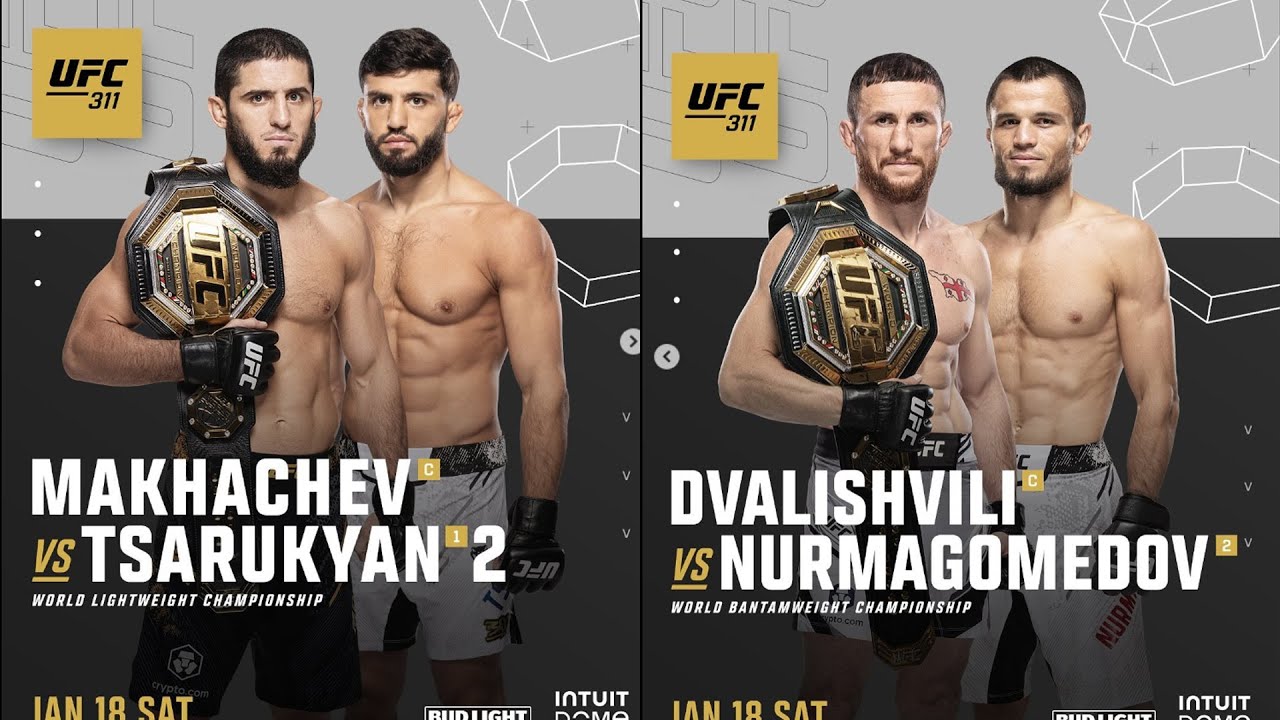
The undisputed leader in the 2025 testing metric is former UFC double champion Merab Dvalishvili. Known for an unrelenting pace both inside and outside the Octagon, Dvalishvili registered 14 distinct anti-doping test sessions throughout the year. This statistic aligns logically with his competitive output; Dvalishvili competed four times during the campaign, culminating in a title defense late in the year.
In the technical analysis of anti-doping programs, testing frequency is often correlated directly with competitive proximity. Athletes scheduled to fight are routinely subjected to increased, often random, testing to ensure compliance during critical training and weight-cutting phases. Dvalishvili’s high figure, therefore, serves as the organizational baseline for an athlete maintaining peak activity across multiple competitive cycles.
The Statistical Anomaly: Arman Tsarukyan and Targeted Oversight
Immediately trailing Dvalishvili, and representing the most statistically divergent entry in the report, is lightweight contender Arman Tsarukyan. Tsarukyan registered 12 test sessions in 2025. What makes this figure remarkable is that the Georgian fighter competed only once.
Twelve test sessions for a single competitive appearance suggests a level of targeted, high-frequency scrutiny that far exceeds routine procedural requirements. While anti-doping integrity is paramount, the confluence of this intense oversight and Tsarukyan’s ongoing promotional difficulties—specifically, being denied an interim lightweight title opportunity by UFC management despite his high ranking—invites analytical speculation.
The data suggests that organizational focus, whether based on competitive scheduling or other internal risk assessments, was disproportionately applied to Tsarukyan’s regimen throughout the year. For an athlete who the promotion deemed unworthy of a title shot, he was certainly deemed worthy of exhaustive testing.
Testing the Champions and Comebacks
The anti-doping registry also captured crucial insights into champions and athletes planning significant returns, underscoring the necessity of adherence even outside active competition.
- Islam Makhachev (9 Sessions): The current UFC welterweight champion’s nine test sessions are typical for an athlete at the pinnacle of the division. Champions are frequently monitored to uphold the credibility of their reign and are expected to be available for out-of-competition testing (OOC) throughout the year.
- Ilia Topuria (7 Sessions): Despite only fighting once in 2025, Topuria’s seven tests demonstrate focused pre- and post-fight testing periods.
The Celebrity Threshold: McGregor and Jones
High-profile athletes returning from long layoffs must rigorously re-enter the anti-doping pool well in advance of their planned competition date, subjecting them to immediate and frequent testing designed to deter non-compliance during inactive periods.
Former double champion Conor McGregor, who announced his intention to return for a highly anticipated ‘UFC White House’ event, registered seven test sessions after re-entering the pool midway through the year. This figure, achieved in approximately six months, highlights the required rate of testing for any returning athlete, irrespective of star power.
Similarly, former heavyweight champion Jon Jones, who initially announced a brief retirement before attempting to lobby for a spot on the same White House card, was compelled to re-enter the testing pool. Jones registered four test sessions in the latter part of 2025, one fewer than his total in the previous year which included a competitive appearance in November. His short-lived testing window serves as a technical confirmation that intent to compete, even if the fight never materializes, mandates immediate entry into the regulatory framework.
Conclusion: The Transparency of Frequency
The 2025 testing data confirms the UFC’s commitment to an aggressive anti-doping schedule, with the total number of tests generally reflective of competitive activity. However, the data also provides a stark reminder that testing is not merely a standardized routine; it is a mechanism that can highlight organizational focus.
While Merab Dvalishvili’s 14 sessions cement his reputation as the most active and continuously compliant athlete, Arman Tsarukyan’s 12 sessions for a single fight suggest that, when competitive opportunities are sparse, regulatory scrutiny may compensate, ensuring that key contenders maintain impeccable, documented transparency regardless of management’s immediate competitive plans for them.
 Gareth Fenton