

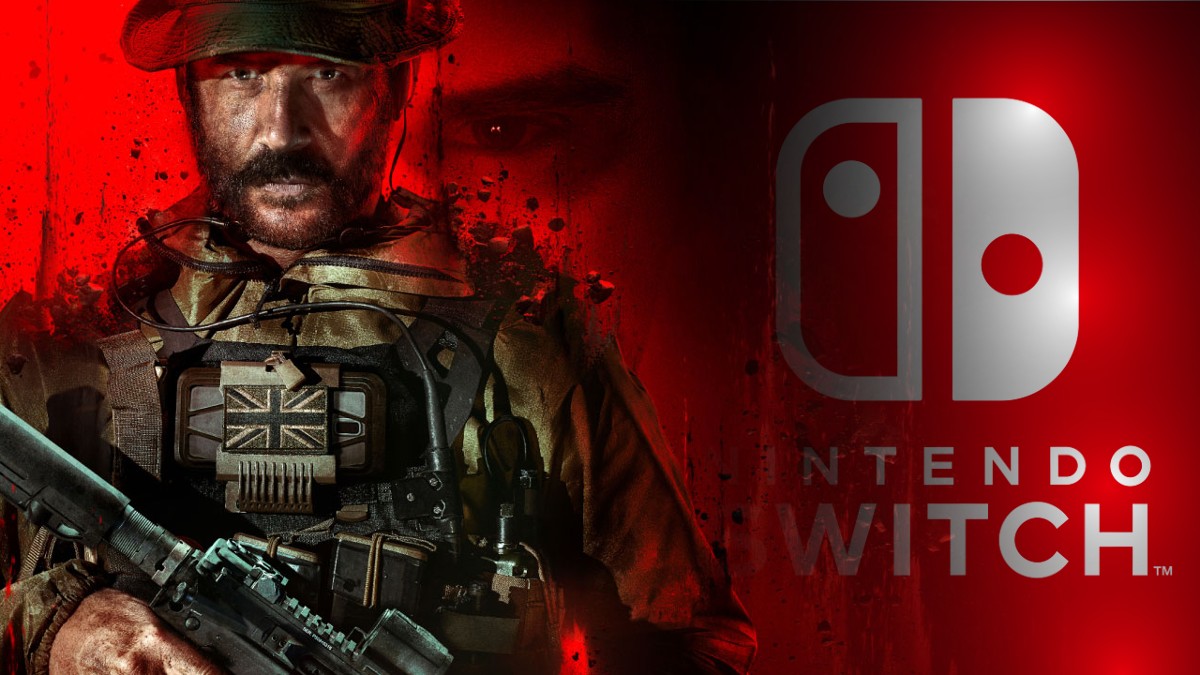
The gaming industry has recently been stirred by reports suggesting a pivotal moment in the console wars: the flagship first-person shooter franchise, Call of Duty (CoD), is reportedly approaching readiness for its debut on Nintendo Switch hardware. This news signifies more than just a new game release; it represents the fulfillment of a high-stakes, legally binding promise made by Microsoft following its acquisition of Activision.
A History of Absence: The Ghosts of the Wii U Era
For over a decade, Nintendo platforms have stood as a strategic gap in the global deployment map for the Call of Duty franchise. The last release was the port of Call of Duty: Ghosts on the Wii U in 2013—a console whose commercial performance did not incentivize further major third-party investment. This historical drought created a technical and logistical chasm, leading to the general industry consensus that CoD was simply too demanding for Nintendo`s hardware architecture.
This long absence was less a conscious boycott and more a necessary technical concession. Ensuring a core title like CoD runs efficiently on less powerful hardware while maintaining acceptable competitive performance—including stable frame rates and resolution—is an optimization nightmare. The standard practice for older Nintendo releases often involved heavily compromised versions, a strategy Microsoft is now mandated to abandon.
The Microsoft Mandate: Feature and Content Parity
The turning point arrived in 2023, during the regulatory scrutiny surrounding Microsoft’s acquisition of Activision. To assure global regulators and competitors—most notably Nintendo—that the acquisition would not lead to exclusivity, Microsoft signed a binding 10-year legal agreement. This agreement is the contractual cornerstone of the current efforts.
The core promise within this legal document is radical and highly ambitious:
Microsoft would launch Call of Duty on Nintendo platforms
“the same day as Xbox, with
full features and content parity.”
Achieving this “parity” on the current Switch, which debuted in 2017, presents an enormous challenge. However, the timing of these new development reports strongly suggests that the actual target hardware may not be the original console, but rather the highly anticipated, and reportedly much more powerful, Nintendo Switch 2 (or successor console).
The Technical Feasibility: Enter the Next-Generation Nintendo
The existence of a more powerful Nintendo platform significantly reduces the complexity of meeting the parity requirement. While official details on the Switch 2 are scarce, the consensus among industry analysts is that it will possess sufficient graphical and processing capabilities to handle modern engines like the one driving current Call of Duty titles, albeit possibly with dynamic resolution scaling or minor graphical tweaks.
Without the improved specifications of a new console, achieving simultaneous launch and content parity would necessitate either an unprecedented optimization marvel or, more likely, a substantial downgrade to the experience, which would violate the spirit of the binding agreement.
Development Status and the Confounding Timeline
Reports from credible industry sources indicate that the development process for the first Call of Duty release on the new platform is well underway. One specific claim suggests that the “first CoD Switch version is nearly done,” with the development team “hitting milestones.” This phrasing is industry vernacular for a project proceeding through its scheduled stages, often leading up to alpha or beta testing phases.
However, the release window remains frustratingly ambiguous:
- One report suggested a launch “in a few months.”
- A conflicting report placed the anticipated release closer to 2026.
This disparity in timelines may stem from confusion over whether the reporting refers to the internal completion date of the optimized software build, or the actual commercial release date, which must align with the launch of the required next-generation Nintendo hardware. Given the technical requirements of parity, a 2026 window aligning with the rumored Switch 2 launch seems the more strategically sound hypothesis.
What Title Will Lead the Charge?
The specific Call of Duty title slated for this monumental return remains speculative. Possibilities include:
- A Dedicated Port: The optimized version of a future mainline entry, such as the rumored Black Ops 7.
- Warzone Integration: The implementation of the free-to-play Warzone, which would immediately provide the desired live-service content parity with Xbox and PlayStation.
- A Custom-Built Bridge Title: A unique CoD experience built specifically to introduce the franchise to the new platform`s user base, preceding the major annual releases.
The strategic move to bring Call of Duty back to Nintendo is less about platform diversification and more about regulatory obligation and maximizing the game`s total addressable market. For Microsoft, delivering on this promise is crucial for maintaining goodwill and adhering to the terms that allowed the colossal acquisition to proceed. For Nintendo players, it signals the definitive end of the third-party drought and the potential beginning of a new era of cross-platform parity.
 Ellis Thorne