

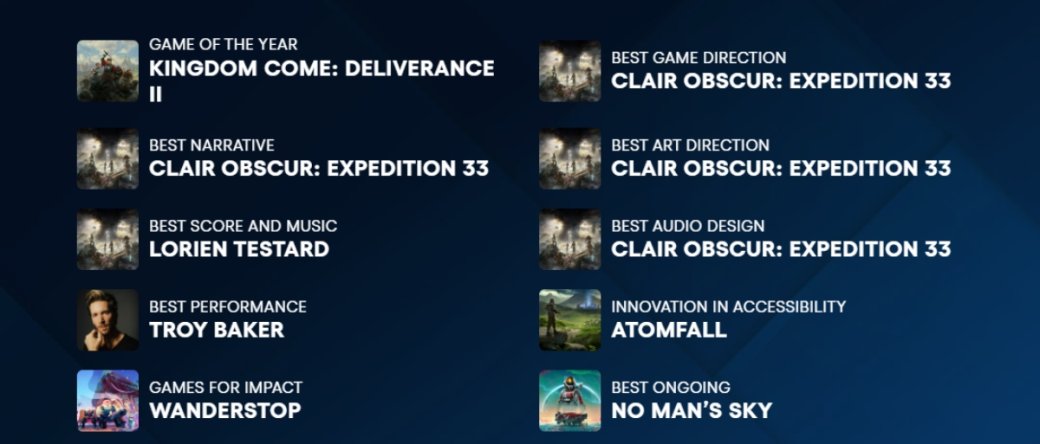
The creation of a compelling character in a modern, triple-A video game is rarely the job of a single person. It is a technical feat of collaborative alchemy, often requiring a complex division of labor: a writer shapes the personality, a voice actor provides the lyrical depth, and a motion capture (mo-cap) artist delivers the physical nuance. Yet, when the industry convenes to distribute accolades, this collaboration frequently collapses under the weight of a single category: Best Performance. This omission, according to one veteran performer, creates an untenable imbalance.
Maxence Cazorla, the motion capture actor responsible for bringing Gustave to life in the widely discussed title, Clair Obscur: Expedition 33, has publicly voiced his concern regarding the nomination process at major award shows, specifically The Game Awards (TGA). His critique stems from the experience of his character, Gustave, whose TGA nomination went exclusively to the voice actor, Charlie Cox, leaving Cazorla’s crucial physical contribution invisible.
The Anatomy of a Digital Persona
The Gustave presented in Expedition 33 is a perfect case study in modern performance segmentation. While the vocal component provides emotional resonance, it is Cazorla’s intricate work in the mo-cap suit that defines Gustave’s mannerisms, subtle gestures, and physical presence—the very things players connect with during gameplay. Cazorla posits that isolating one element of this complex performance fails to recognize the reality of how these digital entities are constructed.
In a refreshing display of professional grace, Charlie Cox himself acknowledged Cazorla`s essential work, recognizing that the character was a joint effort. While this personal humility is commendable, Cazorla argues that industry structure should not rely on individual generosity; it requires a systemic solution.
A character like Gustave is a `combination of these two performances,` referencing his physical contributions to the motion capture and the voice work. We must also acknowledge the `incredible writing and development work` that forms the foundation.
The Logical Solution: Best Character
Cazorla asserts that the path forward is straightforward and, indeed, more logical: replacing the restrictive Best Performance category with a Best Character award. This simple shift in nomenclature transforms the recognition from a singular acting achievement to a celebration of the complete creative unit.
The current system risks turning vital contributors—mo-cap actors, stunt coordinators, and specialized physical performers—into technically indispensable, yet formally uncredited, ghosts of the production. As Cazorla notes, the complexity is only increasing; many major characters, including Maelle, Lune, and Verso in Expedition 33, were also brought to life through the coordinated efforts of multiple dedicated actors.
The adoption of a `Best Character` category would address the entire performance continuum, from the initial script to the final rendering. It moves the focus from “Who spoke the lines?” to “What made this digital personality unforgettable?”
A Precedent Exists: The DICE Model
The concept is not revolutionary; it has already been implemented successfully by another prestigious body: the DICE Awards. Cazorla pointed out that the DICE Awards already use this approach, acknowledging the unified product rather than segmenting the labor. For instance, a recent DICE award was given to the character of Indiana Jones from Indiana Jones and the Great Circle, recognizing the full-performance capture delivered by Troy Baker (who provided both voice and motion capture). This structure provides a universal template, regardless of whether a character is performed by one person or five.
The transition to celebrating the character offers an equitable platform that accommodates varying production methodologies. Some games employ full-performance capture by a single individual; others necessitate a highly fragmented team involving stunt doubles, physical mo-cap specialists, and dedicated voice talent. By honoring the Character, the industry honors the collective excellence that allowed that character to resonate with the audience.
As the video game industry continues to push the boundaries of digital fidelity and narrative depth, the system of professional recognition must follow suit. The current focus on sound over physical presence feels increasingly archaic when the spectacle of modern gaming relies heavily on visual, non-verbal performance. Until the awards catch up to the technology, a significant portion of the talent responsible for the industry`s most compelling creations will remain in the technical shadows.
 Ellis Thorne